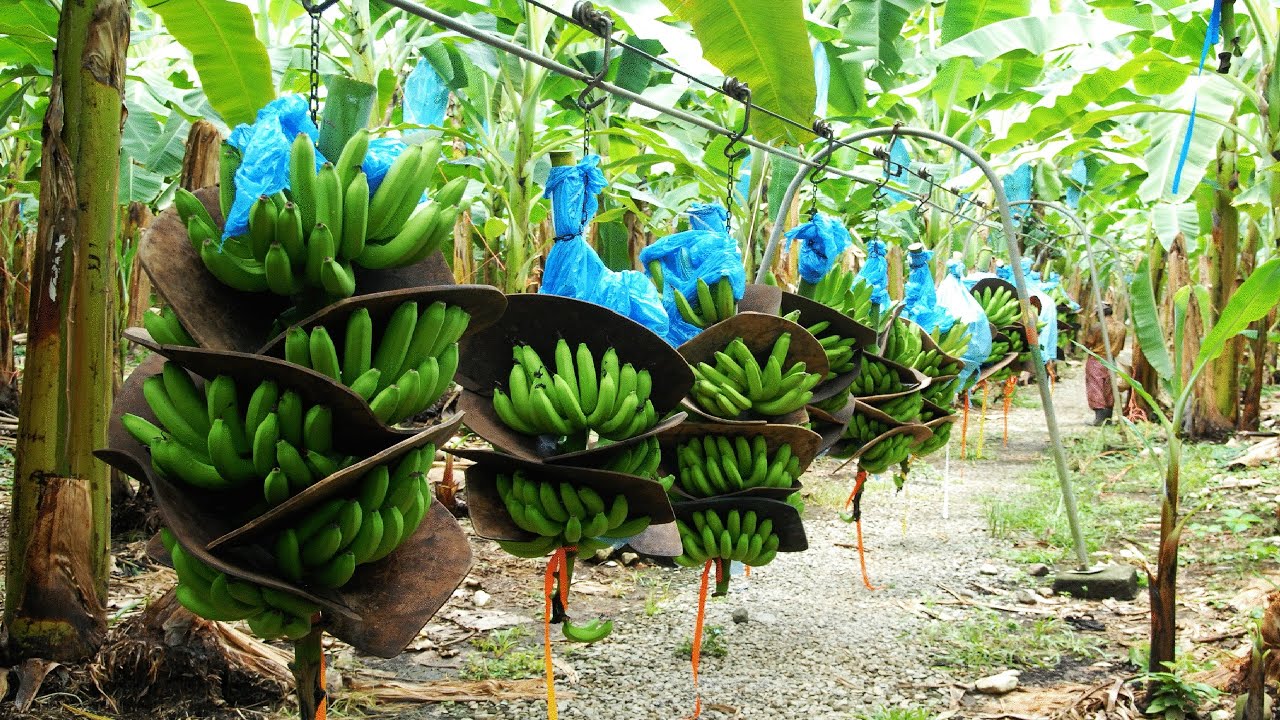
The banana tree, native to tropical Southeast Asia, was one of the plants that traveled the most aboard colonial powers’ ships and slave traders, gaining an important role in Africa and, especially, in Central America and the northern regions of South America. The banana was valuable because it was considered an excellent food for slaves, even in its “cooking” version, the plantain. But the true fortune of this fruit began in the early 1900s when American doctors started recommending that mothers feed bananas to their children due to their abundance of potassium and other quality nutrients. The growth of international demand transformed the banana into a plantation tree, at the expense of vast portions of tropical forests being cleared to cultivate the golden fruit. This expansion, which would soon make the banana the most widely consumed fruit in the world, was managed for decades under the almost monopolistic control of the US-based United Fruit Company, now known as Chiquita. The company became an economic, political, and even military force in countries such as Guatemala, Costa Rica, Honduras, and Panama. It dictated laws, obtained privileges, appointed rulers, and when someone who could threaten its interests won an election, it would overthrow them. For example, this happened in Guatemala with the socialist Jacobo Árbenz Guzmán, who was overthrown in 1954 by a coup d’état and replaced by a dictatorship. The countries victimized by the “green octopus,” as the United Fruit was known, thus became known as the “banana republics.”

The current global banana business is a billion-dollar industry. Approximately 20 million tons of bananas are exported each year by various companies, in addition to 90 million tons consumed in the domestic markets of tropical and subtropical countries. However, there is a major weakness, and it lies in the genetic makeup of the plants themselves. Bananas do not have seeds and reproduce asexually, meaning they are propagated by humans cutting a piece of the root and planting it. As a result, all banana plants are genetically identical and vulnerable to mass outbreaks of pathogens such as the fungus Fusarium oxysporum, which caused the Gros Michel variety to disappear worldwide in the mid-1960s. This was known as the “Panama disease.” Since then, the global market has been dominated by the Cavendish species, which is resistant to that fungus. However, the Cavendish variety is now proving equally susceptible to another strain of Fusarium oxysporum, identified in Australia in the late 1990s. Since 2010, this “new” fungus has spread to Vietnam, Taiwan, and Mozambique, causing an epidemic known as “Tropical Race4.” Currently, it is present throughout Mozambique, one of Africa’s major banana producers (around 800,000 tons per year). Thus, a new crisis is looming for the industry.

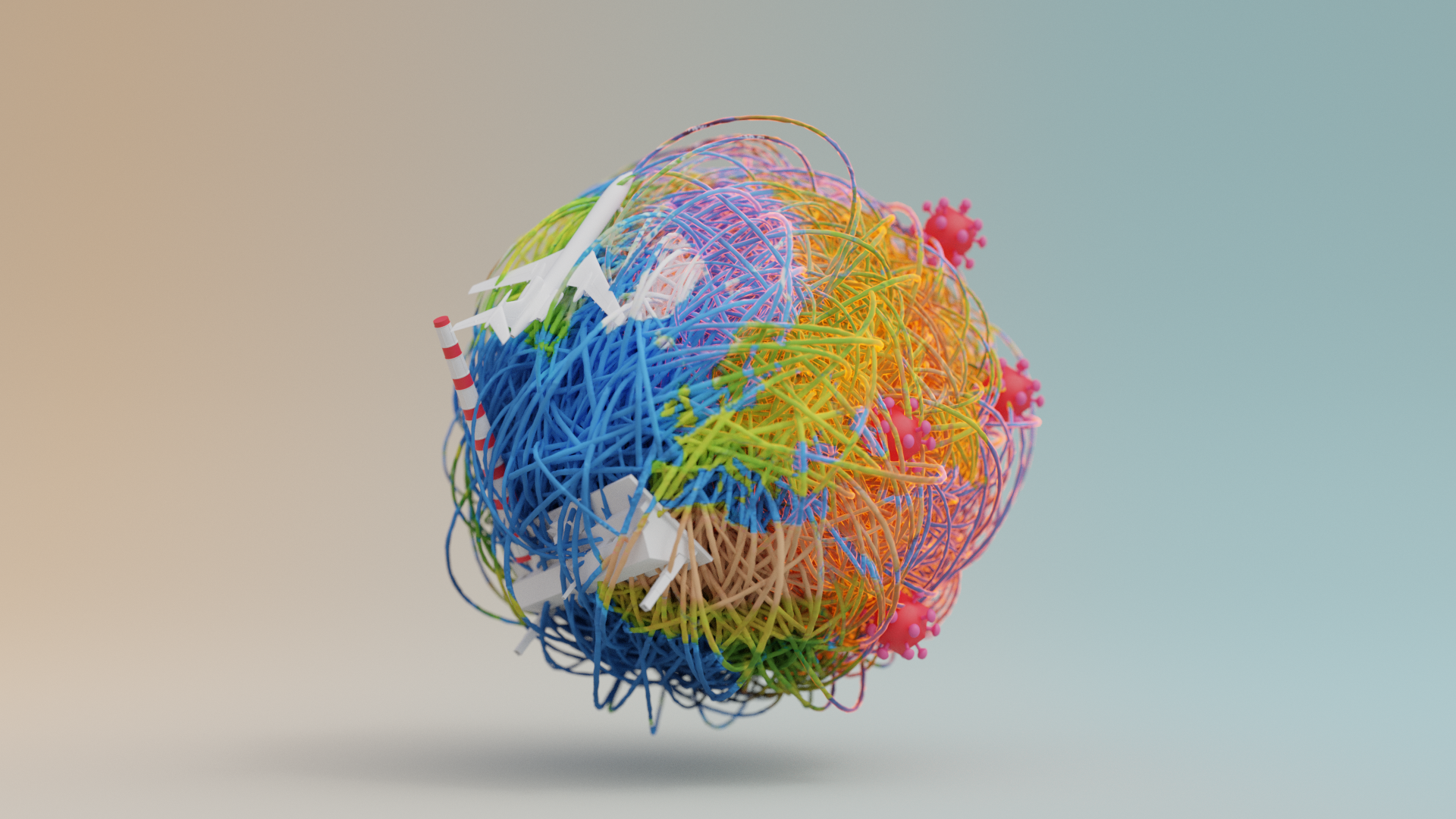
This second major crisis destined to hit the world’s best-selling fruit reveals several things about globalization, both past and present. The excessive cultivation, at the expense of forests, of a fragile plant that has been modified and hybridized by humans over time—a plant that has become vital for the exports of entire countries and a source of employment for millions of people, but with real profits going to only a few multinational companies.

It is the paradox of the first true global fruit, along with pineapple, incidentally marketed by the same companies. Because globalization standardizes taste and consumption, and when that happens successfully, as with bananas, the price to offer them on the market becomes irrelevant. But then, we have to reckon with nature and fungi—unless we end up, as is already being suggested, producing only genetically modified bananas. This would place science in the service not of human nutrition but of a production model that harms environmental balance and ultimately jeopardizes human food security.

La maxi-stangata nei confronti di Meta, il colosso di Mark Zuckerberg, arrivata dopo che la Commissione irlandese per la protezione dei dati personali ha accertato una sistematica violazione del regolamento europeo sulla privacy, è la più grande multa mai comminata a un soggetto del mondo high-tech in Europa: ben 1,2 miliardi di euro. L’attività giudicata illegale, che Meta dovrebbe cessare entro sei mesi, è il trasferimento dei dati degli utenti europei dei social della compagnia sui server ubicati negli Stati Uniti. Potrebbe sembrare una questione marginale, invece riguarda il core business di social come Facebook e Instagram che vivono, commercialmente parlando, proprio dell’accumulo, del trasferimento e della vendita a scopo pubblicitario dei dati che ogni giorno gli utenti “donano” loro, più o meno consapevolmente. Una massa di dati che tocca ogni aspetto della vita privata delle persone, dai gusti culinari alle idee politiche. Informazioni che mai prima d’ora erano state raccolte in modo così dettagliato e in tale quantità, per giunta senza spendere un dollaro, e traendone poi grandi guadagni.

La diatriba tra la Commissione e i colossi che gestiscono i social risale a qualche anno fa, quando per la prima volta, dopo le rivelazioni di Edward Snowden, si cominciò a parlare del trasferimento dei dati negli USA e del conseguente utilizzo che ne fa anche l’intelligence di Washington. Intanto gli Stati Uniti hanno dichiarato guerra al colosso cinese Huawei perché sospettato di compiere un’operazione analoga: raccogliere i dati degli americani che usano i suoi device e renderli accessibili alle autorità cinesi.

Proprio questa è stata la rivoluzione che i social hanno portato nel mondo dello spionaggio: più che indagare per procurarsi dati specifici, relativi alle persone o alle società che si intende controllare, oggi basta sapersi muovere in una massa enorme di dati, cercando quelli che questi soggetti riversano volontariamente in rete.

C’è poi anche il tema della pubblicità, sempre più mirata perché tarata in base ai nostri gusti e preferenze, e che già si annuncia come un altro terreno di sbarco dell’intelligenza artificiale. Senza dimenticare la questione dei meccanismi che queste società hanno oliato per pagare poche tasse – se non nessuna – a fronte di immensi profitti. È quasi paradossale che l’Irlanda, Paese chiave nella strategia di “evasione legale” elaborata a livello europeo dai giganti dell’high-tech, oggi sia lo Stato chiamato a comminare la maxi-stangata a Meta: ma è anche inevitabile, trovandosi in Irlanda la sede europea dell’azienda.

Questa vicenda andrà avanti nei tribunali finché durerà il negoziato tra Washington e Bruxelles sul trattamento dei dati, regolamentato diversamente sui due lati dell’Atlantico. Visto l’errore compiuto scommettendo sul successo commerciale del metaverso, che invece ancora annaspa, Meta ora si concentrerà sulla riduzione dei costi e sugli introiti della pubblicità sui social network. Quest’ultima è già aumentata esponenzialmente su Facebook, al punto da far allontanare molti utenti perché bombardati di pubblicità mirata.

Per il settore si tratta di una crisi di crescita, nel senso che social come Facebook hanno ormai quasi esaurito il bacino potenziale di utenti, e c’è sempre un nuovo competitor, come accaduto con TikTok, che erode la posizione acquisita negli anni. In ogni caso, non sono tempi facili per chi aveva promesso una rivoluzione nella storia della comunicazione tra gli esseri umani e, alla fine, ci vende un “new media” infestato di pubblicità. Forse, più che nuovo, questo mondo è già vecchio, si è logorato con la stessa velocità con cui i social fanno invecchiare le notizie. E forse siamo pronti per qualcosa di nuovo, che però ancora non conosciamo.

The massive blow to Meta, the Mark Zuckerberg giant, came after the Irish Data Protection Commission found systematic violations of the European privacy regulation, resulting in the largest fine ever imposed on a high-tech entity in Europe: a whopping 1.2 billion euros. The illegal activity, which Meta is expected to cease within six months, involves the transfer of European users’ data from the company’s social platforms to servers located in the United States. It may seem like a marginal issue, but it affects the core business of social platforms like Facebook and Instagram, which thrive commercially by accumulating, transferring, and selling user data for advertising purposes—data that users “donate” to them, more or less knowingly. This mass of data encompasses every aspect of people’s private lives, from culinary tastes to political ideas. Such detailed and extensive information has never been collected before, let alone at such a scale, without spending a dollar and yielding significant profits.

The dispute between the Commission and the social media giants dates back a few years, when, for the first time, after Edward Snowden’s revelations, discussions began about data transfers to the US and the subsequent use by Washington’s intelligence agencies. Meanwhile, the United States has declared war on the Chinese giant Huawei, suspecting it of carrying out a similar operation: collecting data from Americans using their devices and making it accessible to Chinese authorities. This has been the revolution that social media brought to the world of espionage: rather than investigating to obtain specific data on individuals or societies they intend to monitor, today it is enough to navigate through a massive amount of data, searching for what these individuals willingly share online.

There is also the issue of increasingly targeted advertising, tailored to our tastes and preferences, which is already being heralded as another area for artificial intelligence to land. Not to mention the mechanisms these companies have devised to pay minimal taxes, if any at all, despite their immense profits. It is almost paradoxical that Ireland, a key player in the “legal evasion” strategy devised at the European level by high-tech giants, is now the country tasked with imposing this massive blow on Meta. However, it is also inevitable, considering that Ireland hosts the company’s European headquarters.

This matter will continue in the courts as long as the negotiation between Washington and Brussels on data treatment, which is regulated differently on both sides of the Atlantic, persists. Given the mistake made by betting on the commercial success of the metaverse, which is still struggling, Meta will now focus on cost reduction and advertising revenue on social networks. Advertising revenue has already exponentially increased on Facebook to the point of driving many users away due to targeted advertising bombardment.

For the industry, this is a growth crisis in the sense that social media platforms like Facebook have nearly exhausted their potential user base, and there is always a new competitor, as seen with TikTok, eroding their established position over the years. In any case, these are not easy times for those who promised a revolution in the history of human communication and, in the end, offer us a “new media” infested with advertisements. Perhaps, more than new, this world is already old, worn out as quickly as social media ages news. And perhaps we are ready for something new, which we still do not know.

Simultaneously, two globally significant meetings took place in Hiroshima, Japan, and Xi’an, China: the G7 and the summit between China and the former Soviet Asian countries. On one hand, there was the old club of Western powers, dating back to the 1970s and effectively surpassed by the formation of the G20 in 1999. On the other hand, there were the new allies of one of the few definite winners of the Russo-Ukrainian war: China. In Hiroshima, essentially a NATO summit was held, given the agendas and positions of the participants, which were all the same. Ukraine was a prominent topic, as well as Taiwan and Palestine, with a brief mention of climate change at the end of the list. In Xi’an, the ancient Chinese capital, leaders from China, Kazakhstan, Kyrgyzstan, Tajikistan, Turkmenistan, and Uzbekistan discussed business matters, but also addressed new balances of power. China, which has been investing in Central Asia for some time now—a key region for the Belt and Road Initiative—decided to boost its involvement by pledging $4 billion in financial support and subsidies to these countries that, it can now be said, have moved out of Russia’s orbit. The signing of the Xi’an Declaration essentially marks their stable entry into Beijing’s sphere of influence.

Relations between China and its neighbors have never been easy, especially due to the situation of the Uighurs in Xinjiang, a persecuted and “reeducated” Muslim and Turkic minority by the Chinese state. However, in recent years, China has managed to turn problems into resources, unlike the participants of the G7 club who, lacking the strength to bring about change, end up turning potential into problems. Consider Africa, for instance—a great opportunity for China but merely a problem for Europe. The agenda in Hiroshima is, in fact, a list of grievances without hope. No actions are announced to address the issues that truly concern everyone, such as climate change, migration management, growing public debt everywhere, and prospects for peace in Ukraine.

Meanwhile, China has not only committed to investing in and serving as a platform for the revival of the group of former Soviet Asian countries, but it has also proposed a regional security pact that includes respect for different geopolitical spheres. This is something that, for example, has not been achieved between the European Union and Russia in the past. These are different approaches to international relations: in one case, the burden of imperial and colonial past weighs heavily, now definitively fading away; in the other, pragmatism emerges from those who know that in order to strengthen themselves, they must fly low and that they do not face true antagonists but rather wealthy clients—countries that often distrust Beijing but cannot do without it, having transferred their manufacturing capacity to China since the dawn of the industrial revolution.

Overall, Hiroshima and Xi’an represent two sides of the same coin—the coin of globalization. On one hand, there is the fear of no longer “counting” as before, coupled with the inability to overcome the arrogance of the past. On the other hand, there is the long-term vision and more modest approach of the weaver who, methodically and without getting carried away, achieves one result after another. This is because they have more to offer than mere rhetoric; they have tangible business deals. Ultimately, China has already become a pillar of the emerging new world order.

In simultanea, a Hiroshima in Giappone e a Xi’an in Cina si sono tenuti due incontri di importanza globale: il G7 e il vertice tra Cina e Paesi asiatici ex sovietici asiatici.  Da una parte, il vecchio club delle potenze occidentali, risalente agli anni ’70 e di fatto superato già nel 1999, con la nascita del G20; dall’altra i nuovi alleati di uno dei pochi vincitori certi della guerra russo-ucraina: la Cina. A Hiroshima in pratica si è celebrato un vertice della NATO, viste le agende e le posizioni dei partecipanti, tutte uguali. Tanta Ucraina, ma anche Taiwan e Palestina, con un breve accenno al cambiamento climatico, in coda alle altre questioni. A Xi’an, antica capitale cinese, i leader di Cina, Kazakistan, Kirghizistan, Tagikistan, Turkmenistan e Uzbekistan hanno parlato di affari, ma anche di nuovi equilibri. La Cina, che sta investendo da tempo in Asia centrale, regione chiave per il passaggio della Nuova Via della Seta, ha deciso di rilanciare promettendo 4 miliardi di dollari di sostegni finanziari e sovvenzioni a questi Paesi, ora lo si può dire, usciti dall’orbita russa: la firma della Dichiarazione di Xi’an infatti, sancisce in sostanza il loro ingresso stabile nell’orbita di Pechino.

Non sono mai stati rapporti facili quelli tra la Cina e questi suoi vicini, soprattutto per via della situazione degli Uiguri dello Xinjiang, minoranza musulmana e turcofona perseguitata e “rieducata” dallo Stato cinese. Ma in questi anni la Cina ha saputo trasformare i problemi in risorse, a differenza dei partecipanti al club del G7 che, non avendo più la forza per cambiare le cose, finiscono per trasformare le potenzialità in problemi. Basti pensare all’Africa: grande opportunità per la Cina, solo un problema per l’Europa. L’agenda di Hiroshima è infatti un cahier de doléances senza speranza. Non si annuncia nessuna azione per fare fronte alle questioni che veramente preoccupano tutti, come il cambiamento climatico, la gestione delle migrazioni, il debito pubblico in crescita ovunque, le prospettive di pace per l’Ucraina.

Nel frattempo, la Cina non soltanto si è impegnata a investire e a fare da piattaforma per il rilancio del gruppo dei Paesi ex sovietici dell’Asia, ma ha anche proposto un patto per la sicurezza regionale che ha tra i suoi pilastri il rispetto delle diverse orbite geopolitiche. Ciò che, ad esempio, in passato non è stato fatto tra l’Unione Europea e la Russia. Si tratta di approcci diversi alle relazioni internazionali: in un caso, pesa come un macigno il passato imperiale e coloniale, ormai definitivamente sfumato; nell’altro, emerge il pragmatismo di chi sa che per rafforzarsi deve volare basso, e che di fronte a sé non ha veri antagonisti bensì ricchi clienti, Paesi che spesso diffidano di Pechino ma che non possono farne a meno, avendo trasferito in Cina la loro capacità produttiva, accumulata fin dagli albori della rivoluzione industriale.

Nel complesso, Hiroshima e Xi’an sono due facce della stessa moneta, quella della globalizzazione. Da un lato c’è la paura di non “contare” più come un tempo, abbinata all’incapacità di superare l’arroganza del passato; dall’altra la visione a lungo termine e l’atteggiamento più modesto del tessitore che, metodicamente e senza esaltarsi, porta a casa un risultato dietro l’altro. Perché non ha da vendere solo retorica ma affari concreti, e in definitiva è già diventato un pilastro del nuovo ordine mondiale che sta prendendo forma.

L’Irlanda sta pianificando la creazione di un fondo sovrano nel quale far confluire le tasse pagate dalle multinazionali high-tech statunitensi che sono domiciliate nell’isola. Società che fanno utili nei Paesi comunitari ma non versano localmente le tasse sui loro profitti, preferendo invece pagarle nelle loro sedi di comodo irlandesi. Questo per via del regime fiscale di favore, pari al 12,5%, applicato in Irlanda contro una media europea ben più alta, dal 28% della Svezia al 37% dell’Italia.

Dublino si trova così al centro di una enorme fuga di capitali che sarebbero dovuti ad altri Stati comunitari. Profitti realizzati in Europa ma che, grazie a trucchi legali, le grandi multinazionali riescono a trasferire fino ai paradisi fiscali, rimbalzando tra l’Irlanda e i Paesi Bassi per poi finire nei Caraibi, e sfuggendo alla tassazione nei Paesi dove quegli stessi profitti sono stati generati.

I numeri sono stati forniti dallo stesso governo irlandese, che nel 2022 è stato l’unico in Europa a chiudere il proprio bilancio con un attivo rilevante, un surplus di 8 miliardi di euro equivalente all’1,6% del PIL. A questo risultato hanno contribuito in modo notevole le tasse versate dalle corporation non solo high-tech, ma anche farmaceutiche. Nel complesso si tratta di circa 22 miliardi di euro, pagati da società che solo in minima parte hanno svolto le loro attività in Irlanda. Soldi facili per Dublino, che per avere questo ritorno economico non ha dovuto sostenere spese.

Secondo le autorità irlandesi, il fondo sovrano che ora si vorrebbe creare, simile a quello norvegese del petrolio, entro il 2035 arriverà ad accumulare più di 140 miliardi di euro. Una manna per l’Irlanda, che avrebbe un fondo liquido per risolvere eventuali problemi di bilancio, fare investimenti, sovvenzionare il welfare. Una manna a discapito del resto dell’Europa, però. Perché, se quella cifra corrisponde a una tassazione del 12,5%, significa che la somma che le multinazionali avrebbero dovuto versare al fisco dei Paesi in cui operano sarebbe stata due o tre volte superiore. Contro questa erosione della base fiscale generalizzata, qualche Paese ha già fatto ricorso, contestando cifre milionarie che avrebbero dovuto essere versate localmente.

Oltre all’aspetto fiscale, la possibilità di far migrare il pagamento delle tasse dove più conviene comporta un’ulteriore stortura, e cioè il consolidamento di posizioni che diventano quasi monopolistiche, violando la libera concorrenza. La capacità di investimento, sviluppo di prodotto e promozione che hanno i gruppi che pagano un terzo (se va bene) di tasse rispetto ai concorrenti è sproporzionata, ed è alla base dell’espansione di un settore industriale che non sottostà alle regole nazionali, bensì a quelle di una globalizzazione deregolamentata.

Tutto legale, ma tutto sbagliato. E per i governi nazionali è difficile opporsi, anche perché, nel mondo attuale, queste aziende controllano i flussi dell’informazione: diventerebbero nemiche potenzialmente molto pericolose, in tempi in cui con un tweet si può distruggere un politico o un partito. La buona notizia per l’Irlanda diventa una cattiva notizia per il resto dell’Europa anche perché le proiezioni fatte da Dublino preannunciano la continuità nel tempo di questa versione fiscale del gioco delle tre tavolette. Neanche l’obbligo di alzare la tassazione fino a un minimo del 15%, come deciso dall’OCSE a partire dal 2024, pare poter incrinare questi privilegi.

Il meccanismo di scatole cinesi creato dalle società multinazionali per trasferire i profitti verso l’Irlanda e poi verso i Caraibi è lo stesso utilizzato da sempre dalla criminalità organizzata per depositare denaro nei forzieri delle Cayman, delle Bahamas e di altre isolette. La differenza con le multinazionali high-tech è che i riciclatori di soldi sporchi, o derivati dall’evasione fiscale, non ci hanno mai raccontato che avrebbero reso il mondo migliore.


Ireland is planning to establish a sovereign fund where taxes paid by US-based high-tech multinational companies domiciled on the island will be pooled. These companies earn profits in European countries but avoid paying local taxes on their profits by choosing to pay them in their Irish tax haven offices, thanks to Ireland’s favorable tax regime of 12.5%, compared to a higher European average, ranging from 28% in Sweden to 37% in Italy.

Dublin is at the center of a huge capital flight that should have gone to other EU states. The profits made in Europe are transferred to tax havens by large multinationals using legal tricks, bouncing between Ireland and the Netherlands before ending up in the Caribbean, and escaping taxation in the countries where those profits were generated.

The Irish government provided the numbers, and in 2022, it was the only European government to close its books with a significant surplus of €8 billion, equivalent to 1.6% of GDP. This was significantly contributed to by taxes paid not only by high-tech corporations but also by pharmaceutical companies, amounting to approximately €22 billion, paid by companies that only conducted a small portion of their activities in Ireland. It was easy money for Dublin, which did not have to incur any expenses to receive this economic return.

According to Irish authorities, the sovereign fund that they now want to establish, similar to Norway’s oil fund, will accumulate more than €140 billion by 2035. This would be a blessing for Ireland, which would have a liquid fund to solve any budgetary problems, make investments, and subsidize welfare. However, this would be at the expense of the rest of Europe. If that amount corresponds to a tax rate of 12.5%, it means that the amount that multinationals should have paid to the tax authorities of the countries where they operate would have been two or three times higher. Some countries have already challenged this generalized erosion of the tax base, disputing the millions that should have been paid locally.

In addition to the tax aspect, the ability to migrate tax payments to where it is most convenient creates an additional distortion, namely the consolidation of positions that become almost monopolistic, violating free competition. The investment, product development, and promotion capabilities of groups that pay a third (at best) of taxes compared to competitors are disproportionate and form the basis for the expansion of an industrial sector that does not comply with national rules, but rather those of deregulated globalization.

It’s all legal, but it’s all wrong. And for national governments, it is difficult to oppose, also because, in today’s world, these companies control the flows of information: they could become potentially dangerous enemies, at a time when a tweet can destroy a politician or a party. The good news for Ireland becomes bad news for the rest of Europe because the projections made by Dublin herald the continuity over time of this fiscal version of the shell game. Not even the obligation to raise taxation to a minimum of 15%, as decided by the OECD starting in 2024, seems to be able to crack these privileges.

The Chinese box mechanism created by multinational companies to transfer profits to Ireland and then to the Caribbean is the same one used by organized crime for depositing money in the coffers of the Cayman, Bahamas, and other islands. The difference with high-tech multinationals is that money launderers, or those who derive their funds from tax evasion, have never told us that they would make the world a better place.

Una volta Hollywood non guardava al colore dell’attore o dell’attrice per assegnare i ruoli nei film a sfondo storico. Liz Taylor recitava nei panni di Cleopatra e Richard Burton era Marco Antonio, Sylvia Sidney diventava Madama Butterfly e Yul Brynner il re del Siam. Non erano già più i tempi in cui gli afroamericani erano apertamente discriminati, e venivano interpretati da bianchi col volto annerito, ma si trattava di scelte artistiche e commerciali: si andava sul sicuro ingaggiando la star del momento, a prescindere dalla sua “etnia” o dal colore della pelle. Una scelta che è stata criticata, e a ragione, perché effettivamente sanciva il monopolio dei bianchi, preferibilmente anglosassoni, nel mondo del cinema e della comunicazione. Per tutti gli altri non c’erano ruoli se non quelli da comparsa, costretti a interpretare sempre e solo la parte che la storia aveva loro assegnato: lo schiavo egizio, l’“indiano” che lancia il grido di guerra mentre assalta la diligenza, il giapponese kamikaze, il nero al lavoro nella piantagione…

Al di là del macinare sempre e comunque i soliti luoghi comuni sugli “altri” popoli, qualcuno si chiede se Hollywood fosse a tutti gli effetti razzista o se la discriminazione si manifestasse solo nello star system, nell’esclusione dei “non bianchi” dalla possibilità di avere ruoli importanti. Ma, forse, la storia di dominazione e la certezza di superiorità dei bianchi si celavano proprio nella supposizione che un attore bianco potesse recitare qualsiasi ruolo, mentre un nativo americano poteva interpretare solo l’“indiano”, un afroamericano solo ruoli “da nero” e via incasellando.

La grande rivoluzione dei nostri giorni, che però genera commenti spesso increduli o di condanna, è che gli attori neri, asiatici e latinoamericani stanno cominciando a interpretare figure che storicamente non rientrano tra i loro antenati, emancipandosi dai ruoli subalterni che sono stati loro appiccicati in passato. Lavorano e vengono scelti solo perché sono bravi attori e attrici. Come nel caso della regina Carlotta interpretata dalla afro-britannica India Ria Amarteifio o del magistrale Arsène Lupin interpretato dal franco-senegalese Omar Sy. Senza dubbio è cambiata la sensibilità del pubblico, e sul mercato del cinema e delle serie tv si sono affacciati miliardi di spettatori non bianchi, ma occorre anche considerare che dalle scuole di teatro e recitazione delle metropoli multietniche d’Europa e America escono sempre più bravi attori e attrici di ogni origine, e in grado di recitare bene, a prescindere dalla loro storia familiare o etnica.

È un mondo che cambia, ma che ancora si divide tra giovani e vecchi. I primi non trovano nulla di strano nel veder rappresentata, anche nei media, la stessa società nella quale vivono; i secondi si scandalizzano del fatto che la regina Carlotta sia interpretata da un’attrice di colore, ma sono gli stessi ai quali andavano bene la Cleopatra di Liz Taylor e la Madama Butterfly di Sylvia Sidney. E forse qui c’è un residuato delle ideologie razziste del passato, nel pensare che non a tutti gli attori sia concessa la libertà di rappresentare qualsiasi figura, a prescindere del colore della pelle. Perché scompaia questo pregiudizio dovrà passare ancora del tempo, ma la veloce crescita economica e politica di popoli una volta marginali, e ora coinvolti nella globalizzazione, sicuramente accelererà la scomparsa di quest’eredità di una storia non proprio edificante.

In the past, Hollywood didn’t consider an actor’s skin color when casting for historical films. Elizabeth Taylor played Cleopatra, Richard Burton played Mark Antony, Sylvia Sidney became Madame Butterfly, and Yul Brynner played the King of Siam. It was no longer the era when African Americans were openly discriminated against and portrayed by white actors in blackface. Instead, these casting choices were based on artistic and commercial decisions, hiring the biggest stars of the moment regardless of their ethnicity or skin color. However, this choice was rightfully criticized for reinforcing the monopoly of white, preferably Anglo-Saxon, actors in the film and entertainment industry. Other actors, including people of color, were only offered minor roles such as the Egyptian slave, the “Indian” who war-cries while attacking the stagecoach, the Japanese kamikaze, or the black plantation worker.

Despite the common stereotypes about “other” ethnic groups, some wonder whether Hollywood was actually racist or if discrimination was limited to the star system, excluding non-white actors from major roles. However, it’s possible that the history of domination and the belief in white superiority was hidden in the assumption that white actors could play any role while Native Americans could only portray “Indians,” African Americans were limited to “black” roles, and so on.

The great revolution of our times, which however often generates incredulous or condemning comments, is that black, Asian, and Latin American actors are beginning to play roles that historically do not belong to their ancestors, emancipating themselves from the subordinate roles that have been assigned to them in the past. They work and are chosen only because they are talented actors and actresses. This is the case with Queen Charlotte played by Afro-British actress India Ria Amarteifio or the masterful Arsène Lupin played by french-senegal actor Omar Sy. Undoubtedly, the sensitivity of the public has changed, and billions of non-white viewers have entered the film and TV market, but it is also worth considering that more and more talented actors and actresses of every origin are graduating from the theater and acting schools of multi-ethnic metropolises in Europe and America, capable of acting well regardless of their family or ethnic background.

It is a changing world, but one that is still divided between young and old. The former find nothing strange in seeing the same society they live in represented, even in the media; the latter are scandalized by the fact that Queen Charlotte is played by a colored actress, but they are the same people who were fine with Liz Taylor’s Cleopatra and Sylvia Sidney’s Madama Butterfly. And perhaps here there is a residue of past racist ideologies, in thinking that not all actors are allowed the freedom to represent any character, regardless of skin color. It will take time for this prejudice to disappear, but the rapid economic and political growth of once marginalized peoples, now involved in globalization, will certainly accelerate the disappearance of this legacy of a not-so-edifying history.

Viene già presentato come l’oro bianco del XXI secolo ed è l’unico minerale che negli ultimi anni ha moltiplicato più volte il suo valore: oggi è arrivato a costare il 450% in più rispetto al 2020. Stiamo parlando del litio, che dunque fa gola a molti. Senza, non potrebbe esistere la transizione energetica tanto auspicata per porre un freno all’aumento globale delle temperature. Non ci sarebbero automobili elettriche e nemmeno gli smartphone così come li conosciamo. Come succede con i giacimenti di petrolio, concentrati per la maggior parte nel vicino Oriente e in Siberia, anche il grosso dei depositi naturali di litio si trova in zone limitate del pianeta: la principale è il cosiddetto triangolo del litio, a cavallo tra Cile, Bolivia e Argentina. I tre Paesi sudamericani hanno scoperto una ricchezza inaspettata nei deserti di alta montagna dove si trovano le saline, ambienti che si sono rivelati ricchi di questo minerale: insieme, i tre Stati possiedono circa il 59% delle riserve terrestri conosciute. Tra i produttori, attualmente il Cile contende il primo posto mondiale all’Australia, al terzo posto si piazza la Cina e al quarto, molto distaccata, l’Argentina. La Bolivia, che secondo alcune classifiche sarebbe il primo Paese al mondo per riserve, non produce praticamente nulla, e la stessa Argentina estrae litio molto al di sotto le sue potenzialità.

In Sudamerica, dunque, il Cile è l’unico Paese che sfrutta appieno questo minerale, ma lo fa soltanto attraverso due società private, la statunitense Albemarle e la SQM proprietà del miliardario cileno Julio Ponce Lerou, genero del generale Augusto Pinochet. Queste imprese nel 2022 hanno versato allo Stato cileno 5,8 miliardi di dollari tra diritti e tasse, pari all’1,7% del PIL del Paese: è il doppio di quanto ha lasciato nelle casse pubbliche il rame, metallo di cui il Cile è il primo produttore mondiale. Insomma, il litio è davvero l’oro bianco.

In questo contesto si inquadra una recente proposta avanzata dal presidente cileno Gabriel Boric che è stata genericamente etichettata come “nazionalizzazione del litio”. In realtà, la proposta si ispira sì alla nazionalizzazione del rame decisa da Salvador Allende nel 1971, ma non prevede di espropriare chi ha già ottenuto delle concessioni. Piuttosto, Boric mira a far nascere un’impresa mista, di carattere pubblico-privato, per avviare lo sfruttamento di nuovi giacimenti di litio, ma a due condizioni. La prima è dichiarare riserva di biodiversità il 30% del deserto di Atacama, da dove proviene quasi tutto il litio cileno; la seconda è cambiare il metodo di estrazione. Infatti, il metodo attualmente usato in Sudamerica, detto “salamoia”, comporta un grande spreco di acqua, che viene lasciata evaporare in zone dove le riserve idriche sono un bene raro. Secondo i piani del governo, l’acqua utilizzata dovrebbe essere invece re-iniettata nella falda.

Lo Stato cileno non è ovviamente l’unico interessato ad allargare il mercato del litio: nel triangolo sudamericano sono molto attive imprese cinesi, statunitensi e anche russe. In Argentina, il gruppo Tsingshan ha appena investito 800 milioni di dollari nella provincia di Salta; nella stessa area, la Tibet Summit Resources ha annunciato l’acquisto di due giacimenti per un valore di 2 miliardi di dollari. In Bolivia sono sempre i cinesi, ma anche i russi, a proporre partnership al governo di La Paz, che qualche anno fa ha nazionalizzato il litio ma ancora non riesce a estrarre quasi nulla. Per ora, quello avanzato dal Cile è comunque il progetto più interessante. E l’America Latina nel suo complesso, pur tra mille contraddizioni, sta riuscendo proporsi come partner e, soprattutto, a creare una cornice giuridica che tuteli gli interessi nazionali, operazione che finora non è riuscita all’Africa.

Per i Paesi del triangolo del litio le opportunità che si aprono sono sicuramente enormi, sebbene ancora difficili da quantificare. Zone impervie delle Ande, che non sono mai interessate a nessuno, all’improvviso si trovano al centro della guerra commerciale per il possesso delle materie prime chiave della globalizzazione: che, per quanto sia percepita come virtuale, si basa ancora sulla terra e sulle miniere.