In the past year, some trends have been confirmed on the international stage, and new issues have emerged. The urgency to exit the pandemic was prolonged by the ongoing conflict in Ukraine, which turned out to be a military failure for Russia, as it did not achieve any of the announced objectives at the time of the invasion. Crimea is not secure, the territories of Donbas are still in a precarious state, and the government in Kiev remains firmly in power. However, the far-reaching impact of the conflict has also affected areas far away from the war zone. Food security in Africa continues to be at risk, and inflation caused by the rise in commodity prices is a concern, especially in Europe. The world has been divided not so much in the interpretation of the casus belli, but rather in how to exit the war. NATO countries, led by the United States and the United Kingdom, have bet on Kiev’s victory. On the other hand, countries in the Global South have prioritized the search for dialogue between the parties from the very beginning, believing that clear victories on the battlefield were not possible. For months, the African Union, Brazil under Lula, India under Narendra Modi, China, and even the Vatican have shuttled between Russia and Ukraine in an attempt to restart the dialogue.

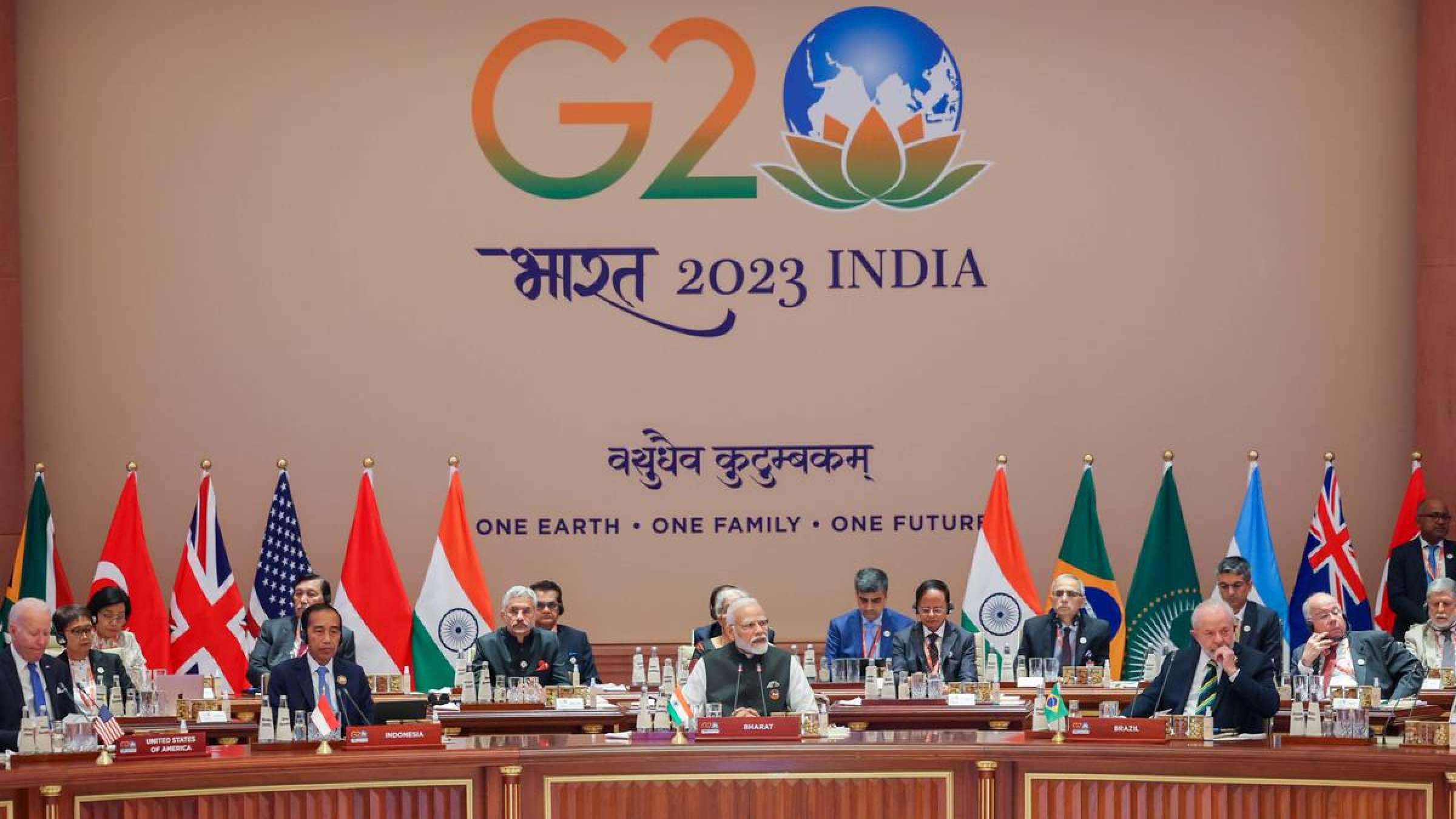
In the meantime, the stalemate has confirmed several things that could have been anticipated for some time. The first is that post-Cold War conflicts perhaps have less global destructive capacity, but they are more complicated to resolve due to the strong interdependence among different countries within the global economy. Russia is no longer the Soviet Union, which could rely on “its” half of the world and, above all, was not dependent on economic relations with the West. Western countries can no longer expect to dictate terms to the rest of the world, demanding alignment that no longer exists in practice. The G7 has been weakened, and the G20 is not yet its successor. Competition prevails among different blocs that aspire to have the same weapons, technology, and economic power in order to assert themselves. The battlegrounds for this new confrontation include strategic raw materials such as rare earths and lithium, as well as water and food commodities, which China has been investing in for years. In this regard, the West is unprepared, having historically relied on military and technological strength to maintain its dominance.


The evident objective of the many countries that aspire to join the BRICS group is to make a positioning choice in relation to the emerging new bipolarism. In his speech at the summit for the new finance held in Paris on June 22-23, Lula called for the overcoming of the Bretton Woods Agreements that shaped the post-war global economy and, consequently, the downsizing of the US dollar as the global currency. In this regard, weapons are not needed; what is needed is politics, a dimension that has been abandoned for a long time.

In a way, the summer of 2023 marks the end of the long period inaugurated by the gunboats that subdued Asia and Africa during the Victorian era, and by the “backyard policy” pursued by Washington towards Latin America. The distances remain immense, of course, but the interdependence among states and continents has reached a level that leaves no room for “outside the system” operations. In the coming months, the ability to engage in good politics will be crucial to resolve the conflict in Europe, defuse tensions in the South China Sea, and, above all, address the issue of climate change by implementing necessary measures to mitigate its effects and coexist with its consequences. It is the number one priority for planet Earth. Otherwise, the current paralysis can only lead to a worsening of the situation. However, time has already run out for this horizon, and it has been so for a long time.

Non è ancora una svolta, ma ci si avvicina. L’apertura degli Stati Uniti alla Cina, con la visita del Segretario di Stato Antony Blinken a Pechino, è il primo segnale di disgelo tra le due superpotenze da quando, nel 2020, Donald Trump passò dalle minacce alle sanzioni economiche. Il paradosso è che quelle sanzioni contro la Cina fecero perdere più soldi agli Stati Uniti: le ritorsioni cinesi andarono infatti a colpire settori critici per gli USA, come l’agricoltura, e a distanza di anni si può affermare che la capacità commerciale e politica della potenza asiatica non ne è stata minimamente scalfita. Anzi, in questa fase la Cina si è rafforzata, acquisendo il controllo di materie prime strategiche quali le terre rare, dimostrando di essere insostituibile nella filiera industriale globale. L’economia della Cina post-Covid è ripartita a buon ritmo, mentre gli Stati Uniti sono sì tornati a crescere, ma con moderazione.

Soprattutto, negli ultimi anni è cambiato il ruolo politico della Cina, divenuta leader di una variegata schiera di Paesi che, per diversi motivi, la ritengono un alleato affidabile. Pechino non soltanto compra materie prime e investe in infrastrutture, ma non si immischia mai in questioni di politica interna: non ama parlare di diritti umani né di democrazia, non si pone come portatrice di valori superiori a quelli degli altri, si spende per il multilateralismo e per la risoluzione pacifica dei conflitti in sede internazionale. È il contrario della politica estera di Washington, che resta il punto dolente nei rapporti tra la potenza nordamericana e gran parte del resto del mondo. Se per gli Stati Uniti i rapporti con l’America Latina sono un problema, per via delle migrazioni, per la Cina rappresentano un’opportunità. Se nel conflitto russo-ucraino gli Stati Uniti sono una parte fondamentale della tenuta militare dell’Ucraina, la Cina non ha mai trasferito una sola arma a Mosca e ha avanzato una sua proposta di pace, per ora l’unica, pur con i suoi limiti, sulla scena internazionale.  

La consapevolezza che si sta facendo avanti nell’amministrazione Biden, che in realtà non ha cambiato di molto la linea di Trump, è che senza la Cina non è possibile ristabilire un qualsiasi ordine mondiale. E i fatti dicono che trovare un ordine è più che mai necessario, non soltanto per i focolai di guerra, ma anche per gli effetti incombenti del cambiamento climatico. La fase ottimista degli anni Novanta, che si affidava alla globalizzazione, è stata definitivamente consegnata alla storia: oggi quel fenomeno che doveva ripianare le differenze e plasmare il mondo del futuro per molti è diventato un incubo. Soprattutto per la miriade di Paesi che sono esclusi dai flussi commerciali che contano, Stati divenuti ancor più marginali di prima, doppiamente discriminati perché ininfluenti sia sul piano politico sia su quello economico. In questo contesto si moltiplicano le operazioni di scambio condotte in valute locali, intaccando il primato del dollaro; si allunga l’elenco dei Paesi che vorrebbero entrare nel club dei BRICS; anche i leader africani, oltre a quelli latinoamericani, si spendono perché si avvii un dialogo che porti alla fine del conflitto in Ucraina.

Dietro tutte queste mosse c’è sempre Pechino, che in questi ultimi due anni ha confermato il ruolo di superpotenza diversa rispetto a quelle del passato. La Cina guarda più agli affari che alle armi: ed è proprio per questo che “sfonda” tra i Paesi del Sud globale, che da sempre hanno chiesto questo approccio senza essere mai presi in considerazione. La Cina, però, non è Zorro, il giustiziere amico dei poveri. È un Paese che è stato povero fino a pochi decenni fa, e che ora sta sfruttando a suo favore una congiuntura unica per raggiungere la vetta mondiale. Gli Stati Uniti, che da soli non sono riusciti a imporre il loro ordine, a questo punto devono ripiegare e cercare una convergenza con Pechino. Anche nel loro interesse futuro.

epa10699634 Chinese President Xi Jinping (R) shakes hands with visiting US Secretary of State Antony Blinken during a meeting in Beijing, China, 19 June 2023. EPA/XINHUA / LI XUEREN CHINA OUT / UK AND IRELAND OUT / MANDATORY CREDIT EDITORIAL USE ONLY


It’s not yet a turning point, but we’re getting closer. The opening of the United States to China, with Secretary of State Antony Blinken’s visit to Beijing, is the first sign of a thaw between the two superpowers since Donald Trump shifted from threats to economic sanctions in 2020. The paradox is that those sanctions against China ended up costing the United States more money: Chinese retaliations targeted critical sectors for the US, such as agriculture, and years later, it can be said that China’s economic and political capacity has not been significantly affected. On the contrary, during this phase, China has strengthened itself by gaining control over strategic raw materials such as rare earths, demonstrating its indispensability in the global industrial supply chain. China’s post-Covid economy has rebounded at a good pace, while the United States has indeed resumed growth but with moderation.

Above all, the political role of China has changed in recent years, as it has become the leader of a diverse group of countries that, for various reasons, consider it a reliable ally. Beijing not only buys raw materials and invests in infrastructure but also never interferes in internal political matters: it does not like to talk about human rights or democracy, it does not claim to uphold superior values to others, and it advocates for multilateralism and peaceful conflict resolution in international forums. This is the opposite of Washington’s foreign policy, which remains a sore point in relations between the North American power and much of the rest of the world. While the United States views its relations with Latin America as a problem due to migration, for China, it represents an opportunity. In the Russian-Ukrainian conflict, where the United States plays a vital role in Ukraine’s military support, China has never transferred a single weapon to Moscow and has put forward its own peace proposal, currently the only one, albeit with its limitations, on the international stage.

The awareness that is emerging in the Biden administration, which has not actually changed Trump’s stance much, is that without China, it is not possible to restore any kind of world order. And the facts indicate that finding order is more necessary than ever, not only due to hotspots of war but also due to the impending effects of climate change. The optimistic phase of the 1990s, which relied on globalization to bridge differences and shape the world of the future, has been definitively consigned to history: today, that phenomenon, which was supposed to level out differences and shape the world of the future, has become a nightmare for many. Especially for the myriad of countries excluded from significant trade flows, states that have become even more marginal than before, doubly discriminated against because they are both politically and economically insignificant. In this context, operations of exchange conducted in local currencies multiply, eroding the dominance of the dollar; the list of countries that would like to join the BRICS club is growing longer; African leaders, in addition to Latin American ones, are also making efforts to initiate a dialogue that leads to the end of the conflict in Ukraine.

Behind all these moves, there is always Beijing, which in the past two years has confirmed its role as a different superpower compared to those of the past. China focuses more on business than on arms, and that is precisely why it is making inroads among countries in the global South, who have always sought this approach without ever being taken into consideration. However, China is not a knight in shining armor, a champion of the poor. It is a country that was poor until a few decades ago and is now leveraging a unique conjuncture to reach the global summit in its favor. The United States, which alone failed to impose its own order, must now fallback and seek convergence with Beijing, also in their own future interest

L’albero del banano, originario del Sudest asiatico tropicale, è stato una delle piante che più hanno viaggiato a bordo delle navi delle potenze coloniali e dei trafficanti di schiavi, conquistando un ruolo importante in Africa e, soprattutto, in America Centrale e nelle regioni settentrionali del Sudamerica. La banana era preziosa perché considerata un ottimo alimento per gli schiavi, anche nella sua versione “da cottura”, il platano. Ma la vera fortuna di questo frutto iniziò nei primi anni del ’900, quando i medici statunitensi cominciarono a consigliare alle mamme di far mangiare banane ai figli, in virtù dell’abbondanza di potassio e di altri nutrienti di qualità. La crescita della domanda internazionale trasformò il banano in un albero da piantagione, a discapito di vaste porzioni di foreste tropicali abbattute per coltivare il frutto dorato. Questa espansione, che in breve avrebbe fatto diventare la banana il frutto più diffuso al mondo, fu gestita per decenni in regime di quasi monopolio dalla statunitense United Fruit Company, oggi nota come Chiquita. L’azienda divenne una forza economica, politica e perfino militare in Paesi come Guatemala, Costa Rica, Honduras, Panama. Dettava legge, otteneva privilegi, nominava i governanti e, quando alle elezioni vinceva qualcuno che potesse intaccare i suoi interessi, lo rovesciava: ad esempio, accadde in Guatemala con il socialista Jacobo Árbenz Guzmán, spodestato nel 1954 da un colpo di Stato e sostituito da una dittatura. I Paesi vittime della “piovra verde”, come era conosciuta la United Fruit, divennero così i “Paesi delle banane”.

L’odierno business globale delle banane è miliardario: si contano circa 20 milioni di tonnellate all’anno di prodotto destinato all’export da diverse imprese, oltre a 90 milioni di tonnellate consumate nei mercati interni dei Paesi tropicali e subtropicali.. Ma c’è un punto molto debole, ed è la stessa genetica delle piante, che non hanno semi e si riproducono in modo asessuato. E cioè grazie alla mano dell’uomo, che taglia un pezzo di radice e lo pianta. Perciò tutte le piante di banane sono geneticamente uguali e ed esposte al rischio di essere colpite in massa da patogeni come il fungo Fusarium oxysporum, che fece sparire la varietà Gros Michel da tutto il mondo attorno a metà degli anni ’60. Era la cosiddetta “malattia di Panama”. Da allora il mercato mondiale è stato dominato dalla specie Cavendish, resistente a quel fungo. Ma la specie Cavendish oggi si rivela altrettanto debole di fronte a un’altra varietà del Fusarium oxysporum, individuata in Australia a fine anni ’90: dal 2010 il “nuovo” fungo si è diffuso in Vietnam, Taiwan e Mozambico causando un’epidemia nota come “Tropical Race4”. Attualmente in Mozambico, uno dei grandi produttori africani di banane (circa 800mila tonnellate all’anno), risulta presente ovunque. Si preannuncia dunque una nuova crisi per il settore.

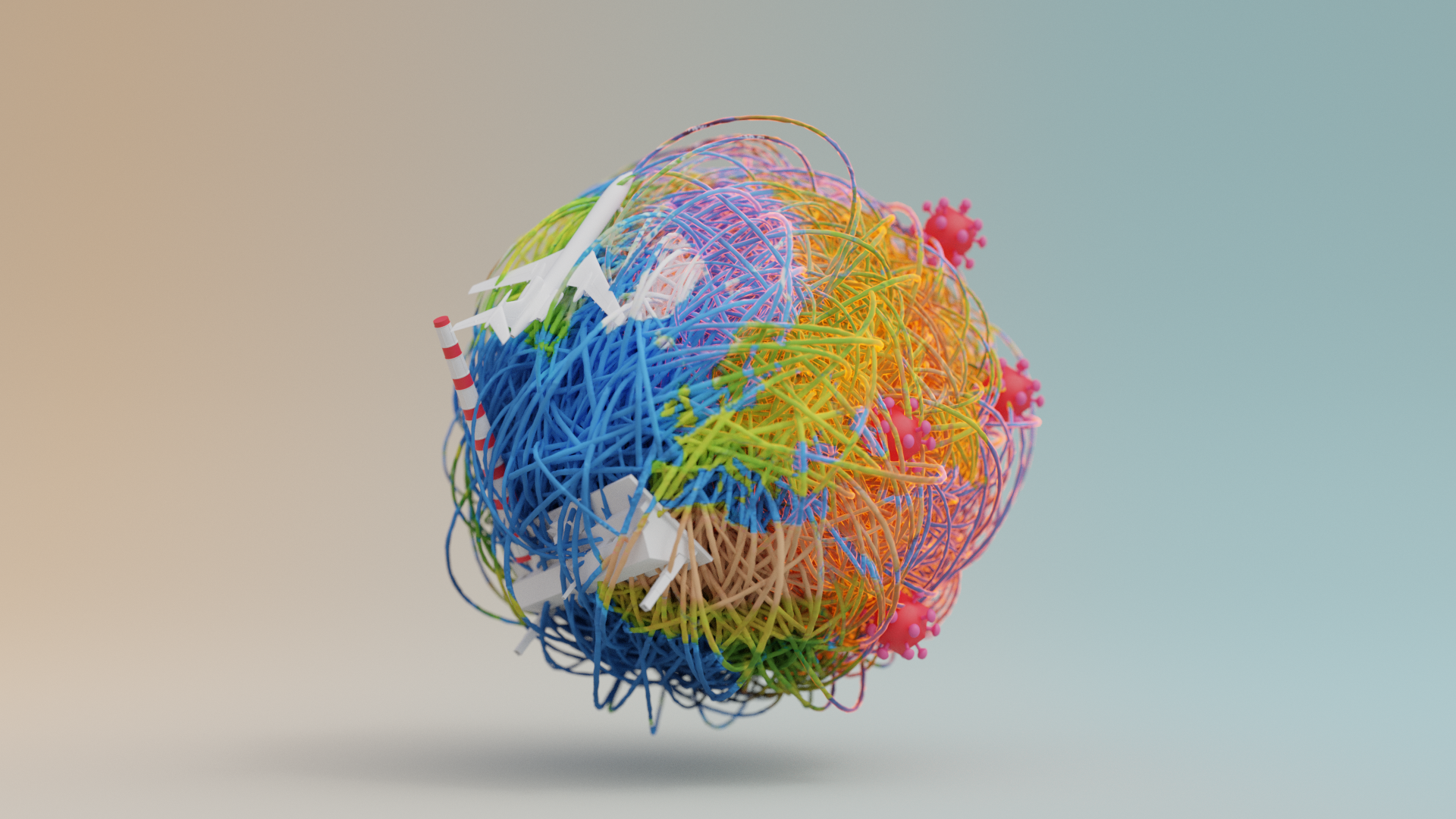
Questa seconda grande crisi destinata a colpire il frutto più venduto nel mondo racconta diverse cose sulla globalizzazione, di ieri e di oggi. La coltivazione a dismisura, a discapito delle foreste, di una pianta fragile, modificata e ibridata nel tempo dall’uomo; una pianta divenuta fondamentale per le esportazioni di interi Paesi e fonte di lavoro per milioni di persone, ma di vero guadagno solo per poche imprese multinazionali.

È il paradosso del primo vero frutto globale, insieme all’ananas, tra l’altro commercializzato dalle stesse compagnie. Perché la globalizzazione omologa il gusto e i consumi: e quando ciò avviene con successo, come con le banane, allora non importa quale prezzo si debba pagare per offrirle sul mercato. Ma poi c’è da fare i conti con la natura, e con i funghi: a meno che non si finisca, come già si sta ipotizzando, a produrre solo banane OGM. Mettendo la scienza al servizio non dell’alimentazione umana, ma di un modello produttivo che nuoce all’equilibrio ambientale e, alla fine, anche alla sicurezza alimentare del genere umano.  

The banana tree, native to tropical Southeast Asia, was one of the plants that traveled the most aboard colonial powers’ ships and slave traders, gaining an important role in Africa and, especially, in Central America and the northern regions of South America. The banana was valuable because it was considered an excellent food for slaves, even in its “cooking” version, the plantain. But the true fortune of this fruit began in the early 1900s when American doctors started recommending that mothers feed bananas to their children due to their abundance of potassium and other quality nutrients. The growth of international demand transformed the banana into a plantation tree, at the expense of vast portions of tropical forests being cleared to cultivate the golden fruit. This expansion, which would soon make the banana the most widely consumed fruit in the world, was managed for decades under the almost monopolistic control of the US-based United Fruit Company, now known as Chiquita. The company became an economic, political, and even military force in countries such as Guatemala, Costa Rica, Honduras, and Panama. It dictated laws, obtained privileges, appointed rulers, and when someone who could threaten its interests won an election, it would overthrow them. For example, this happened in Guatemala with the socialist Jacobo Árbenz Guzmán, who was overthrown in 1954 by a coup d’état and replaced by a dictatorship. The countries victimized by the “green octopus,” as the United Fruit was known, thus became known as the “banana republics.”

The current global banana business is a billion-dollar industry. Approximately 20 million tons of bananas are exported each year by various companies, in addition to 90 million tons consumed in the domestic markets of tropical and subtropical countries. However, there is a major weakness, and it lies in the genetic makeup of the plants themselves. Bananas do not have seeds and reproduce asexually, meaning they are propagated by humans cutting a piece of the root and planting it. As a result, all banana plants are genetically identical and vulnerable to mass outbreaks of pathogens such as the fungus Fusarium oxysporum, which caused the Gros Michel variety to disappear worldwide in the mid-1960s. This was known as the “Panama disease.” Since then, the global market has been dominated by the Cavendish species, which is resistant to that fungus. However, the Cavendish variety is now proving equally susceptible to another strain of Fusarium oxysporum, identified in Australia in the late 1990s. Since 2010, this “new” fungus has spread to Vietnam, Taiwan, and Mozambique, causing an epidemic known as “Tropical Race4.” Currently, it is present throughout Mozambique, one of Africa’s major banana producers (around 800,000 tons per year). Thus, a new crisis is looming for the industry.

This second major crisis destined to hit the world’s best-selling fruit reveals several things about globalization, both past and present. The excessive cultivation, at the expense of forests, of a fragile plant that has been modified and hybridized by humans over time—a plant that has become vital for the exports of entire countries and a source of employment for millions of people, but with real profits going to only a few multinational companies.

It is the paradox of the first true global fruit, along with pineapple, incidentally marketed by the same companies. Because globalization standardizes taste and consumption, and when that happens successfully, as with bananas, the price to offer them on the market becomes irrelevant. But then, we have to reckon with nature and fungi—unless we end up, as is already being suggested, producing only genetically modified bananas. This would place science in the service not of human nutrition but of a production model that harms environmental balance and ultimately jeopardizes human food security.

La maxi-stangata nei confronti di Meta, il colosso di Mark Zuckerberg, arrivata dopo che la Commissione irlandese per la protezione dei dati personali ha accertato una sistematica violazione del regolamento europeo sulla privacy, è la più grande multa mai comminata a un soggetto del mondo high-tech in Europa: ben 1,2 miliardi di euro. L’attività giudicata illegale, che Meta dovrebbe cessare entro sei mesi, è il trasferimento dei dati degli utenti europei dei social della compagnia sui server ubicati negli Stati Uniti. Potrebbe sembrare una questione marginale, invece riguarda il core business di social come Facebook e Instagram che vivono, commercialmente parlando, proprio dell’accumulo, del trasferimento e della vendita a scopo pubblicitario dei dati che ogni giorno gli utenti “donano” loro, più o meno consapevolmente. Una massa di dati che tocca ogni aspetto della vita privata delle persone, dai gusti culinari alle idee politiche. Informazioni che mai prima d’ora erano state raccolte in modo così dettagliato e in tale quantità, per giunta senza spendere un dollaro, e traendone poi grandi guadagni.

La diatriba tra la Commissione e i colossi che gestiscono i social risale a qualche anno fa, quando per la prima volta, dopo le rivelazioni di Edward Snowden, si cominciò a parlare del trasferimento dei dati negli USA e del conseguente utilizzo che ne fa anche l’intelligence di Washington. Intanto gli Stati Uniti hanno dichiarato guerra al colosso cinese Huawei perché sospettato di compiere un’operazione analoga: raccogliere i dati degli americani che usano i suoi device e renderli accessibili alle autorità cinesi.

Proprio questa è stata la rivoluzione che i social hanno portato nel mondo dello spionaggio: più che indagare per procurarsi dati specifici, relativi alle persone o alle società che si intende controllare, oggi basta sapersi muovere in una massa enorme di dati, cercando quelli che questi soggetti riversano volontariamente in rete.

C’è poi anche il tema della pubblicità, sempre più mirata perché tarata in base ai nostri gusti e preferenze, e che già si annuncia come un altro terreno di sbarco dell’intelligenza artificiale. Senza dimenticare la questione dei meccanismi che queste società hanno oliato per pagare poche tasse – se non nessuna – a fronte di immensi profitti. È quasi paradossale che l’Irlanda, Paese chiave nella strategia di “evasione legale” elaborata a livello europeo dai giganti dell’high-tech, oggi sia lo Stato chiamato a comminare la maxi-stangata a Meta: ma è anche inevitabile, trovandosi in Irlanda la sede europea dell’azienda.

Questa vicenda andrà avanti nei tribunali finché durerà il negoziato tra Washington e Bruxelles sul trattamento dei dati, regolamentato diversamente sui due lati dell’Atlantico. Visto l’errore compiuto scommettendo sul successo commerciale del metaverso, che invece ancora annaspa, Meta ora si concentrerà sulla riduzione dei costi e sugli introiti della pubblicità sui social network. Quest’ultima è già aumentata esponenzialmente su Facebook, al punto da far allontanare molti utenti perché bombardati di pubblicità mirata.

Per il settore si tratta di una crisi di crescita, nel senso che social come Facebook hanno ormai quasi esaurito il bacino potenziale di utenti, e c’è sempre un nuovo competitor, come accaduto con TikTok, che erode la posizione acquisita negli anni. In ogni caso, non sono tempi facili per chi aveva promesso una rivoluzione nella storia della comunicazione tra gli esseri umani e, alla fine, ci vende un “new media” infestato di pubblicità. Forse, più che nuovo, questo mondo è già vecchio, si è logorato con la stessa velocità con cui i social fanno invecchiare le notizie. E forse siamo pronti per qualcosa di nuovo, che però ancora non conosciamo.

The massive blow to Meta, the Mark Zuckerberg giant, came after the Irish Data Protection Commission found systematic violations of the European privacy regulation, resulting in the largest fine ever imposed on a high-tech entity in Europe: a whopping 1.2 billion euros. The illegal activity, which Meta is expected to cease within six months, involves the transfer of European users’ data from the company’s social platforms to servers located in the United States. It may seem like a marginal issue, but it affects the core business of social platforms like Facebook and Instagram, which thrive commercially by accumulating, transferring, and selling user data for advertising purposes—data that users “donate” to them, more or less knowingly. This mass of data encompasses every aspect of people’s private lives, from culinary tastes to political ideas. Such detailed and extensive information has never been collected before, let alone at such a scale, without spending a dollar and yielding significant profits.

The dispute between the Commission and the social media giants dates back a few years, when, for the first time, after Edward Snowden’s revelations, discussions began about data transfers to the US and the subsequent use by Washington’s intelligence agencies. Meanwhile, the United States has declared war on the Chinese giant Huawei, suspecting it of carrying out a similar operation: collecting data from Americans using their devices and making it accessible to Chinese authorities. This has been the revolution that social media brought to the world of espionage: rather than investigating to obtain specific data on individuals or societies they intend to monitor, today it is enough to navigate through a massive amount of data, searching for what these individuals willingly share online.

There is also the issue of increasingly targeted advertising, tailored to our tastes and preferences, which is already being heralded as another area for artificial intelligence to land. Not to mention the mechanisms these companies have devised to pay minimal taxes, if any at all, despite their immense profits. It is almost paradoxical that Ireland, a key player in the “legal evasion” strategy devised at the European level by high-tech giants, is now the country tasked with imposing this massive blow on Meta. However, it is also inevitable, considering that Ireland hosts the company’s European headquarters.

This matter will continue in the courts as long as the negotiation between Washington and Brussels on data treatment, which is regulated differently on both sides of the Atlantic, persists. Given the mistake made by betting on the commercial success of the metaverse, which is still struggling, Meta will now focus on cost reduction and advertising revenue on social networks. Advertising revenue has already exponentially increased on Facebook to the point of driving many users away due to targeted advertising bombardment.

For the industry, this is a growth crisis in the sense that social media platforms like Facebook have nearly exhausted their potential user base, and there is always a new competitor, as seen with TikTok, eroding their established position over the years. In any case, these are not easy times for those who promised a revolution in the history of human communication and, in the end, offer us a “new media” infested with advertisements. Perhaps, more than new, this world is already old, worn out as quickly as social media ages news. And perhaps we are ready for something new, which we still do not know.

Simultaneously, two globally significant meetings took place in Hiroshima, Japan, and Xi’an, China: the G7 and the summit between China and the former Soviet Asian countries. On one hand, there was the old club of Western powers, dating back to the 1970s and effectively surpassed by the formation of the G20 in 1999. On the other hand, there were the new allies of one of the few definite winners of the Russo-Ukrainian war: China. In Hiroshima, essentially a NATO summit was held, given the agendas and positions of the participants, which were all the same. Ukraine was a prominent topic, as well as Taiwan and Palestine, with a brief mention of climate change at the end of the list. In Xi’an, the ancient Chinese capital, leaders from China, Kazakhstan, Kyrgyzstan, Tajikistan, Turkmenistan, and Uzbekistan discussed business matters, but also addressed new balances of power. China, which has been investing in Central Asia for some time now—a key region for the Belt and Road Initiative—decided to boost its involvement by pledging $4 billion in financial support and subsidies to these countries that, it can now be said, have moved out of Russia’s orbit. The signing of the Xi’an Declaration essentially marks their stable entry into Beijing’s sphere of influence.

Relations between China and its neighbors have never been easy, especially due to the situation of the Uighurs in Xinjiang, a persecuted and “reeducated” Muslim and Turkic minority by the Chinese state. However, in recent years, China has managed to turn problems into resources, unlike the participants of the G7 club who, lacking the strength to bring about change, end up turning potential into problems. Consider Africa, for instance—a great opportunity for China but merely a problem for Europe. The agenda in Hiroshima is, in fact, a list of grievances without hope. No actions are announced to address the issues that truly concern everyone, such as climate change, migration management, growing public debt everywhere, and prospects for peace in Ukraine.

Meanwhile, China has not only committed to investing in and serving as a platform for the revival of the group of former Soviet Asian countries, but it has also proposed a regional security pact that includes respect for different geopolitical spheres. This is something that, for example, has not been achieved between the European Union and Russia in the past. These are different approaches to international relations: in one case, the burden of imperial and colonial past weighs heavily, now definitively fading away; in the other, pragmatism emerges from those who know that in order to strengthen themselves, they must fly low and that they do not face true antagonists but rather wealthy clients—countries that often distrust Beijing but cannot do without it, having transferred their manufacturing capacity to China since the dawn of the industrial revolution.

Overall, Hiroshima and Xi’an represent two sides of the same coin—the coin of globalization. On one hand, there is the fear of no longer “counting” as before, coupled with the inability to overcome the arrogance of the past. On the other hand, there is the long-term vision and more modest approach of the weaver who, methodically and without getting carried away, achieves one result after another. This is because they have more to offer than mere rhetoric; they have tangible business deals. Ultimately, China has already become a pillar of the emerging new world order.

In simultanea, a Hiroshima in Giappone e a Xi’an in Cina si sono tenuti due incontri di importanza globale: il G7 e il vertice tra Cina e Paesi asiatici ex sovietici asiatici.  Da una parte, il vecchio club delle potenze occidentali, risalente agli anni ’70 e di fatto superato già nel 1999, con la nascita del G20; dall’altra i nuovi alleati di uno dei pochi vincitori certi della guerra russo-ucraina: la Cina. A Hiroshima in pratica si è celebrato un vertice della NATO, viste le agende e le posizioni dei partecipanti, tutte uguali. Tanta Ucraina, ma anche Taiwan e Palestina, con un breve accenno al cambiamento climatico, in coda alle altre questioni. A Xi’an, antica capitale cinese, i leader di Cina, Kazakistan, Kirghizistan, Tagikistan, Turkmenistan e Uzbekistan hanno parlato di affari, ma anche di nuovi equilibri. La Cina, che sta investendo da tempo in Asia centrale, regione chiave per il passaggio della Nuova Via della Seta, ha deciso di rilanciare promettendo 4 miliardi di dollari di sostegni finanziari e sovvenzioni a questi Paesi, ora lo si può dire, usciti dall’orbita russa: la firma della Dichiarazione di Xi’an infatti, sancisce in sostanza il loro ingresso stabile nell’orbita di Pechino.

Non sono mai stati rapporti facili quelli tra la Cina e questi suoi vicini, soprattutto per via della situazione degli Uiguri dello Xinjiang, minoranza musulmana e turcofona perseguitata e “rieducata” dallo Stato cinese. Ma in questi anni la Cina ha saputo trasformare i problemi in risorse, a differenza dei partecipanti al club del G7 che, non avendo più la forza per cambiare le cose, finiscono per trasformare le potenzialità in problemi. Basti pensare all’Africa: grande opportunità per la Cina, solo un problema per l’Europa. L’agenda di Hiroshima è infatti un cahier de doléances senza speranza. Non si annuncia nessuna azione per fare fronte alle questioni che veramente preoccupano tutti, come il cambiamento climatico, la gestione delle migrazioni, il debito pubblico in crescita ovunque, le prospettive di pace per l’Ucraina.

Nel frattempo, la Cina non soltanto si è impegnata a investire e a fare da piattaforma per il rilancio del gruppo dei Paesi ex sovietici dell’Asia, ma ha anche proposto un patto per la sicurezza regionale che ha tra i suoi pilastri il rispetto delle diverse orbite geopolitiche. Ciò che, ad esempio, in passato non è stato fatto tra l’Unione Europea e la Russia. Si tratta di approcci diversi alle relazioni internazionali: in un caso, pesa come un macigno il passato imperiale e coloniale, ormai definitivamente sfumato; nell’altro, emerge il pragmatismo di chi sa che per rafforzarsi deve volare basso, e che di fronte a sé non ha veri antagonisti bensì ricchi clienti, Paesi che spesso diffidano di Pechino ma che non possono farne a meno, avendo trasferito in Cina la loro capacità produttiva, accumulata fin dagli albori della rivoluzione industriale.

Nel complesso, Hiroshima e Xi’an sono due facce della stessa moneta, quella della globalizzazione. Da un lato c’è la paura di non “contare” più come un tempo, abbinata all’incapacità di superare l’arroganza del passato; dall’altra la visione a lungo termine e l’atteggiamento più modesto del tessitore che, metodicamente e senza esaltarsi, porta a casa un risultato dietro l’altro. Perché non ha da vendere solo retorica ma affari concreti, e in definitiva è già diventato un pilastro del nuovo ordine mondiale che sta prendendo forma.

L’Irlanda sta pianificando la creazione di un fondo sovrano nel quale far confluire le tasse pagate dalle multinazionali high-tech statunitensi che sono domiciliate nell’isola. Società che fanno utili nei Paesi comunitari ma non versano localmente le tasse sui loro profitti, preferendo invece pagarle nelle loro sedi di comodo irlandesi. Questo per via del regime fiscale di favore, pari al 12,5%, applicato in Irlanda contro una media europea ben più alta, dal 28% della Svezia al 37% dell’Italia.

Dublino si trova così al centro di una enorme fuga di capitali che sarebbero dovuti ad altri Stati comunitari. Profitti realizzati in Europa ma che, grazie a trucchi legali, le grandi multinazionali riescono a trasferire fino ai paradisi fiscali, rimbalzando tra l’Irlanda e i Paesi Bassi per poi finire nei Caraibi, e sfuggendo alla tassazione nei Paesi dove quegli stessi profitti sono stati generati.

I numeri sono stati forniti dallo stesso governo irlandese, che nel 2022 è stato l’unico in Europa a chiudere il proprio bilancio con un attivo rilevante, un surplus di 8 miliardi di euro equivalente all’1,6% del PIL. A questo risultato hanno contribuito in modo notevole le tasse versate dalle corporation non solo high-tech, ma anche farmaceutiche. Nel complesso si tratta di circa 22 miliardi di euro, pagati da società che solo in minima parte hanno svolto le loro attività in Irlanda. Soldi facili per Dublino, che per avere questo ritorno economico non ha dovuto sostenere spese.

Secondo le autorità irlandesi, il fondo sovrano che ora si vorrebbe creare, simile a quello norvegese del petrolio, entro il 2035 arriverà ad accumulare più di 140 miliardi di euro. Una manna per l’Irlanda, che avrebbe un fondo liquido per risolvere eventuali problemi di bilancio, fare investimenti, sovvenzionare il welfare. Una manna a discapito del resto dell’Europa, però. Perché, se quella cifra corrisponde a una tassazione del 12,5%, significa che la somma che le multinazionali avrebbero dovuto versare al fisco dei Paesi in cui operano sarebbe stata due o tre volte superiore. Contro questa erosione della base fiscale generalizzata, qualche Paese ha già fatto ricorso, contestando cifre milionarie che avrebbero dovuto essere versate localmente.

Oltre all’aspetto fiscale, la possibilità di far migrare il pagamento delle tasse dove più conviene comporta un’ulteriore stortura, e cioè il consolidamento di posizioni che diventano quasi monopolistiche, violando la libera concorrenza. La capacità di investimento, sviluppo di prodotto e promozione che hanno i gruppi che pagano un terzo (se va bene) di tasse rispetto ai concorrenti è sproporzionata, ed è alla base dell’espansione di un settore industriale che non sottostà alle regole nazionali, bensì a quelle di una globalizzazione deregolamentata.

Tutto legale, ma tutto sbagliato. E per i governi nazionali è difficile opporsi, anche perché, nel mondo attuale, queste aziende controllano i flussi dell’informazione: diventerebbero nemiche potenzialmente molto pericolose, in tempi in cui con un tweet si può distruggere un politico o un partito. La buona notizia per l’Irlanda diventa una cattiva notizia per il resto dell’Europa anche perché le proiezioni fatte da Dublino preannunciano la continuità nel tempo di questa versione fiscale del gioco delle tre tavolette. Neanche l’obbligo di alzare la tassazione fino a un minimo del 15%, come deciso dall’OCSE a partire dal 2024, pare poter incrinare questi privilegi.

Il meccanismo di scatole cinesi creato dalle società multinazionali per trasferire i profitti verso l’Irlanda e poi verso i Caraibi è lo stesso utilizzato da sempre dalla criminalità organizzata per depositare denaro nei forzieri delle Cayman, delle Bahamas e di altre isolette. La differenza con le multinazionali high-tech è che i riciclatori di soldi sporchi, o derivati dall’evasione fiscale, non ci hanno mai raccontato che avrebbero reso il mondo migliore.