Posts contrassegnato dai tag ‘Chiquita banana’

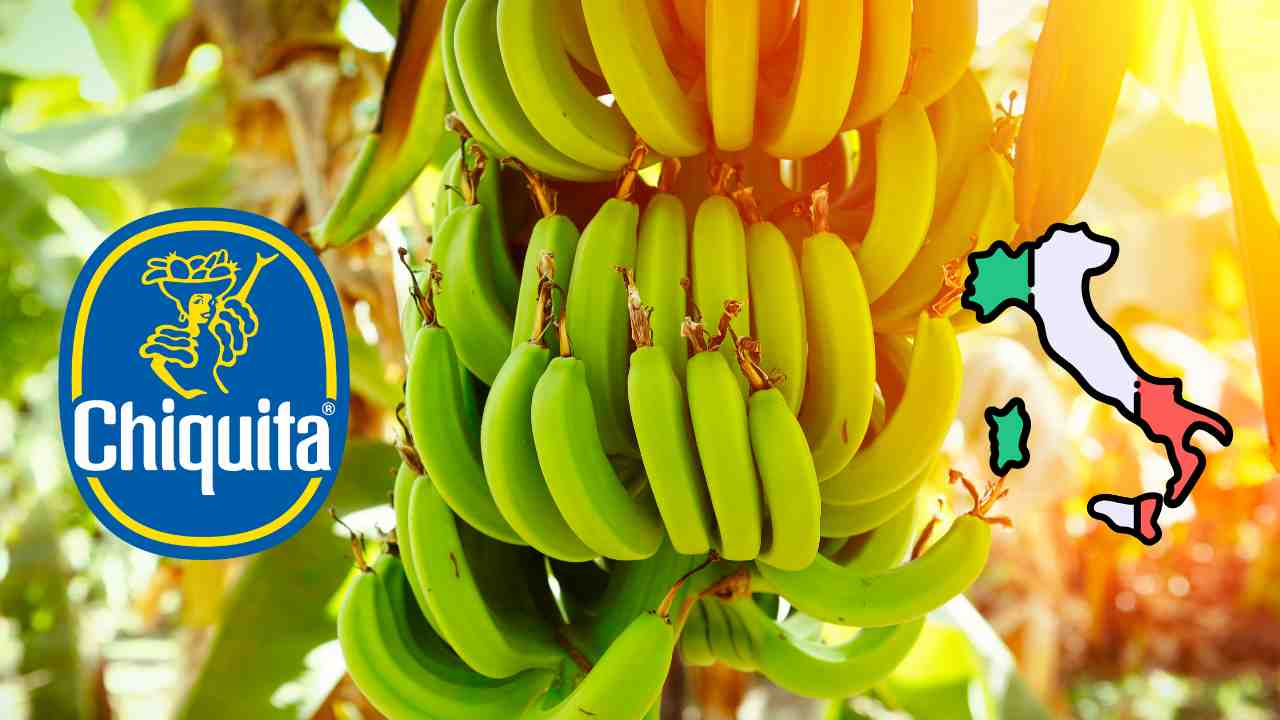
Il cambiamento climatico produce effetti in tutto il mondo che pian piano si palesano ai nostri occhi: malattie tropicali migrano verso i climi temperati, come la dengue, e specie animali si comportano allo stesso modo, come i pappagalli verdi che stanno invadendo il Nord Italia. L’agricoltura o si adegua o muore, e in questo processo può scoprire nuove potenzialità. La produzione dei frutti tropicali, ad esempio, è da sempre monopolizzata, come dice il nome stesso, dai Paesi che si trovano nella fascia equatoriale del pianeta. Ma, per via del cambiamento climatico, adesso è possibile adattarla a regioni fino a ieri non adeguate. Come la Sicilia, dove la multinazionale (oggi svizzera) Chiquita ha appena annunciato la sua prima piantagione europea di banane.

Il banano, originario del Sudest asiatico tropicale, è stato uno degli alberi che più hanno viaggiato a bordo delle navi delle potenze coloniali e dei trafficanti di schiavi, conquistando un ruolo importante in Africa e, soprattutto, in America Centrale e nelle regioni settentrionali del Sudamerica. La banana era preziosa perché considerata un ottimo alimento per gli schiavi, anche nella sua versione “da cottura”, il platano. Ma la vera fortuna di questo frutto iniziò nei primi anni del ’900, quando i medici statunitensi cominciarono a consigliare alle mamme di far mangiare banane ai figli, in virtù dell’abbondanza di potassio e di altri nutrienti di qualità. La crescita della domanda internazionale trasformò il banano in un albero da piantagione, a discapito di vaste porzioni di foreste tropicali abbattute per coltivarlo. Questa espansione, che in breve avrebbe fatto diventare la banana il frutto più diffuso al mondo, fu gestita per decenni in regime di quasi monopolio dalla statunitense United Fruit Company, poi rinominata Chiquita.

Quell’azienda divenne una forza economica, politica e perfino militare in Paesi come Guatemala, Costa Rica, Honduras, Panama. Dettava legge, otteneva privilegi, nominava i governanti e, quando alle elezioni vinceva qualcuno che potesse intaccare i suoi interessi, lo rovesciava: ad esempio, accadde in Guatemala con il socialista Jacobo Árbenz, spodestato nel 1954 da un colpo di Stato e sostituito da una dittatura. I Paesi vittime della “piovra verde”, come era conosciuta la United Fruit, divennero così le “Repubbliche delle banane”.

Quest’azienda, che tra il 2024 e il 2025 ha subito condanne in Colombia per avere pagato gruppi paramilitari per “difendere” le proprie piantagioni, ovviamente oggi si presenta in Europa con le migliori intenzioni in materia di sostenibilità ambientale e sociale. Un vero e proprio specchietto per le allodole, utile a fare dimenticare tutto il resto. E cioè che, nel mondo, le piantagioni di banane consumano foreste e immettono enormi quantità di pesticidi e di plastica nell’ambiente. E storicamente hanno prosperato grazie anche allo sfruttamento dei lavoratori. Le prime banane mediterranee saranno invece bio, orgogliosamente Made in Italy e sicuramente i lavoratori della piantagione saranno tutti in regola.

Mentre si discute di barriere tariffarie e dazi, si trascura la nuova concorrenza che si va profilando nella gamma di prodotti che rappresentano le uniche voci dell’export dei Paesi equatoriali e tropicali: frutta, caffè, cacao. Il cambiamento climatico metterà quei Paesi progressivamente in competizione con gli agricoltori di una parte Nord del mondo e le regole potrebbero cambiare: quando saranno Made in Italy o Made in Spain, difficilmente i manghi e le banane costeranno così poco come oggi, perché l’attuale prezzo stracciato è dovuto al saccheggio dell’ambiente e allo sfruttamento del lavoro. E forse, come in passato, questi prodotti torneranno a essere appannaggio dei soli ricchi: gli unici che una volta potevano permettersi il cacao, il caffè o i frutti esotici.
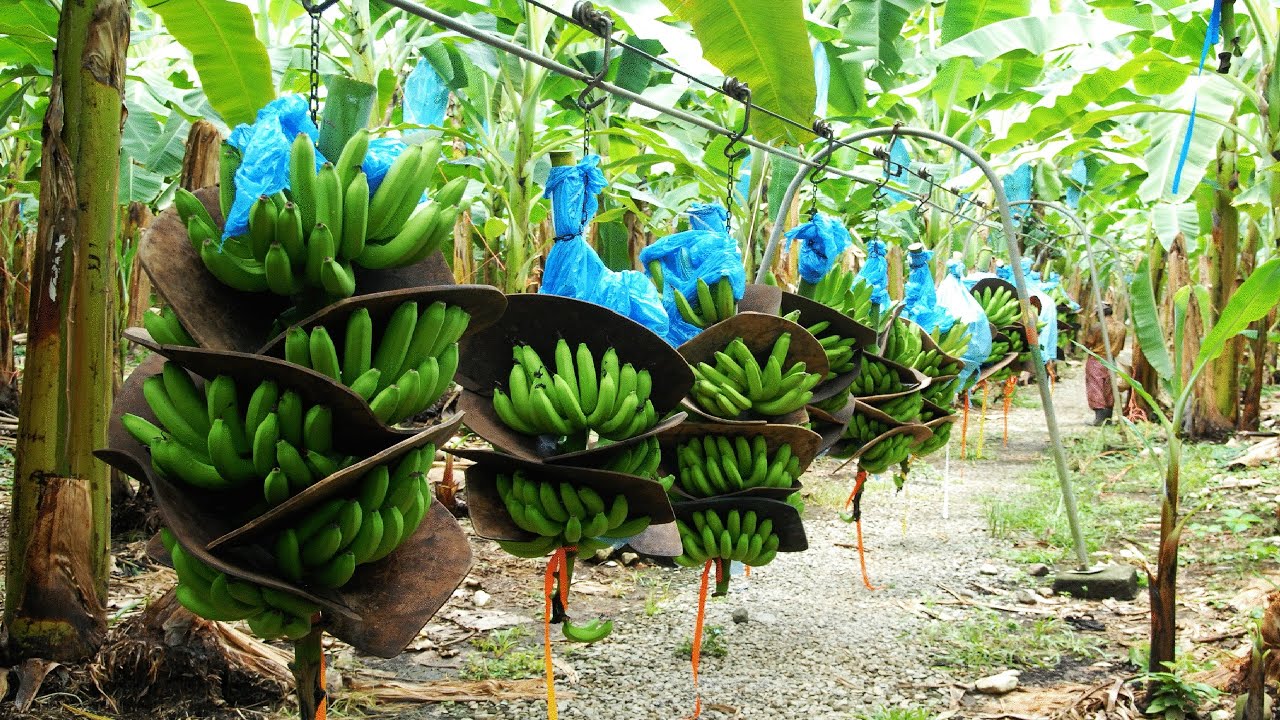
The banana tree, native to tropical Southeast Asia, was one of the plants that traveled the most aboard colonial powers’ ships and slave traders, gaining an important role in Africa and, especially, in Central America and the northern regions of South America. The banana was valuable because it was considered an excellent food for slaves, even in its “cooking” version, the plantain. But the true fortune of this fruit began in the early 1900s when American doctors started recommending that mothers feed bananas to their children due to their abundance of potassium and other quality nutrients. The growth of international demand transformed the banana into a plantation tree, at the expense of vast portions of tropical forests being cleared to cultivate the golden fruit. This expansion, which would soon make the banana the most widely consumed fruit in the world, was managed for decades under the almost monopolistic control of the US-based United Fruit Company, now known as Chiquita. The company became an economic, political, and even military force in countries such as Guatemala, Costa Rica, Honduras, and Panama. It dictated laws, obtained privileges, appointed rulers, and when someone who could threaten its interests won an election, it would overthrow them. For example, this happened in Guatemala with the socialist Jacobo Árbenz Guzmán, who was overthrown in 1954 by a coup d’état and replaced by a dictatorship. The countries victimized by the “green octopus,” as the United Fruit was known, thus became known as the “banana republics.”

The current global banana business is a billion-dollar industry. Approximately 20 million tons of bananas are exported each year by various companies, in addition to 90 million tons consumed in the domestic markets of tropical and subtropical countries. However, there is a major weakness, and it lies in the genetic makeup of the plants themselves. Bananas do not have seeds and reproduce asexually, meaning they are propagated by humans cutting a piece of the root and planting it. As a result, all banana plants are genetically identical and vulnerable to mass outbreaks of pathogens such as the fungus Fusarium oxysporum, which caused the Gros Michel variety to disappear worldwide in the mid-1960s. This was known as the “Panama disease.” Since then, the global market has been dominated by the Cavendish species, which is resistant to that fungus. However, the Cavendish variety is now proving equally susceptible to another strain of Fusarium oxysporum, identified in Australia in the late 1990s. Since 2010, this “new” fungus has spread to Vietnam, Taiwan, and Mozambique, causing an epidemic known as “Tropical Race4.” Currently, it is present throughout Mozambique, one of Africa’s major banana producers (around 800,000 tons per year). Thus, a new crisis is looming for the industry.

This second major crisis destined to hit the world’s best-selling fruit reveals several things about globalization, both past and present. The excessive cultivation, at the expense of forests, of a fragile plant that has been modified and hybridized by humans over time—a plant that has become vital for the exports of entire countries and a source of employment for millions of people, but with real profits going to only a few multinational companies.

It is the paradox of the first true global fruit, along with pineapple, incidentally marketed by the same companies. Because globalization standardizes taste and consumption, and when that happens successfully, as with bananas, the price to offer them on the market becomes irrelevant. But then, we have to reckon with nature and fungi—unless we end up, as is already being suggested, producing only genetically modified bananas. This would place science in the service not of human nutrition but of a production model that harms environmental balance and ultimately jeopardizes human food security.