
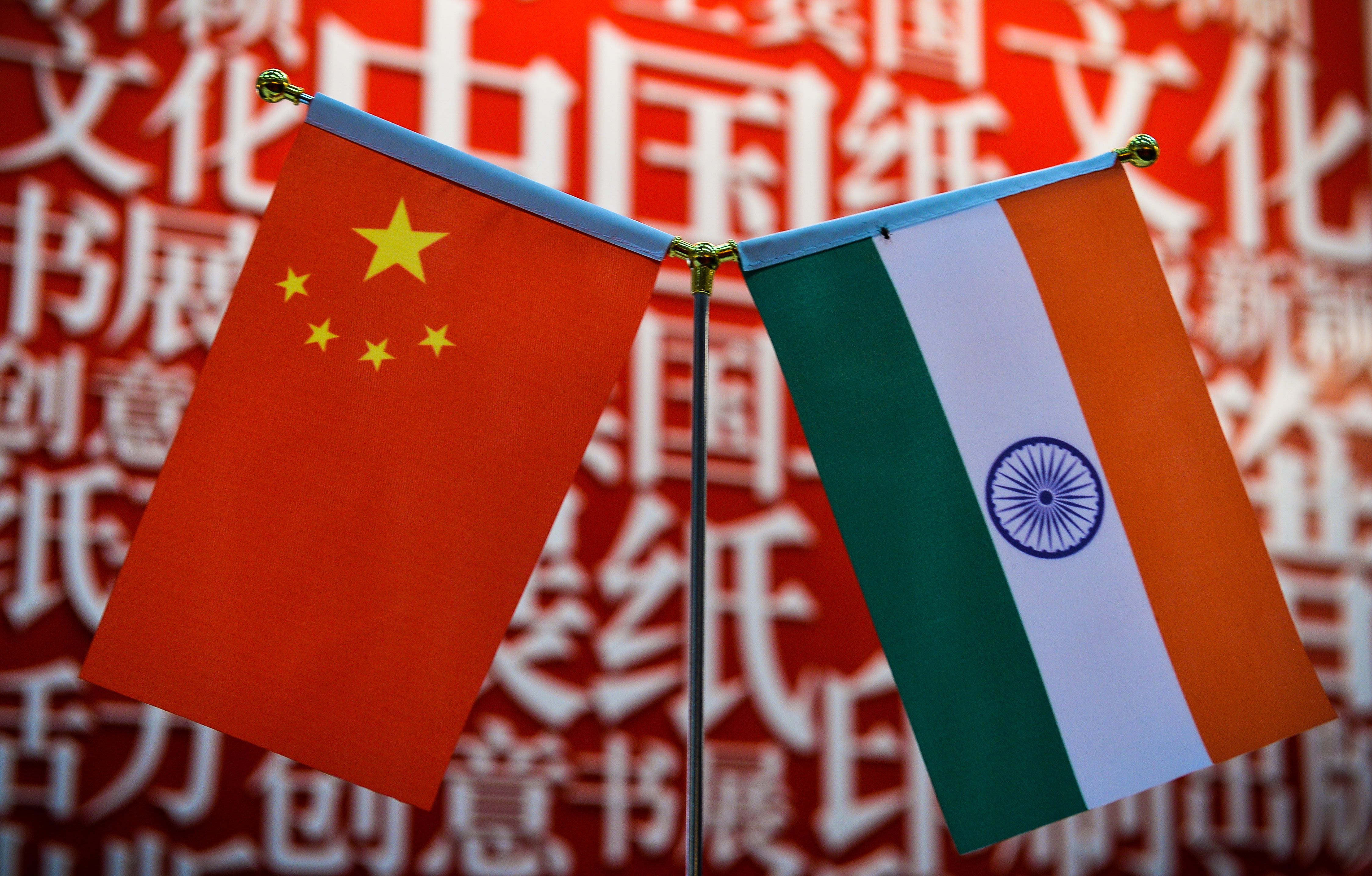
The key takeaway from the Shanghai Cooperation Organisation (SCO) summit, which concluded on September 1, was the rapprochement between India and China. The two demographic giants have never enjoyed warm relations: India has always defended its strategic autonomy, aligning itself with the U.S.-led geopolitical sphere. Yet both countries know they are the real powerhouses within the BRICS bloc—and that together they could accelerate the global rebalancing now under way, steering the world out of its current chaos.
Their combined strength lies in Beijing’s economic and now military might, as well as in the vast scale of their domestic markets and their capacity to produce exportable goods—again, largely driven by China. Together, they are the two nations that have allowed Russia to sustain its war in Ukraine without suffering crippling consequences from Western sanctions. Contrary to Donald Trump’s claim that he could end the conflict “within 24 hours,” it is actually the governments of India and China that could stop it within weeks—simply by refusing to buy Russia’s discounted oil and goods. The issue is one of weapons and fossil fuels, but also of timing. Beijing and New Delhi will continue to keep Putin’s economy on life support as long as it demonstrates their leverage—and as long as it remains clear that Russia has become China’s economic vassal. A colossal vassal, rich in raw materials and armed with a nuclear arsenal that rivals Washington’s—gifted, in a sense, to Beijing by the West itself.
Of course, China and India’s interests are far from identical, shaped by profound cultural and political differences. Deeply religious, democratic, and federal India is not the secular, nominally communist China. Yet when the two giants look outward, those differences fade. India has begun to follow China’s path, making cautious inroads into regions recently “colonized” by Beijing—Central Asia, East Africa, and South America. While it cannot match China’s limitless catalogue of goods and services, India brings to the table advanced technologies in several industries and access to a domestic market of more than 1.4 billion consumers.
Above all, China and India together can offer political shelter to countries that flout international norms or find themselves shunned by the West—a valuable asset in the Trump era. For the likes of Putin’s Russia, Kim Jong-un’s North Korea, Myanmar’s junta, or Maduro’s Venezuela, Beijing and New Delhi’s economic and diplomatic backing—especially China’s, with its UN Security Council veto—is crucial. This explains why the two Asian powers have shown little interest in Gaza or the broader Middle East: their energy supplies are already guaranteed by Russia and Venezuela. Instead, their focus is on Africa—particularly the Maghreb and the sub-Saharan region—where they have quietly supported the coups that pushed France out of its former sphere of influence.
Africa, South America, and South Asia are strategically vital for their deposits of raw materials essential to future industries and for ensuring food security for vast populations. Unsurprisingly, China has just abolished all tariffs on African imports—a pointed lesson for those clinging to outdated privileges or believing that protectionism brings prosperity.
It was only a matter of time: sooner or later, the two nations that together represent nearly half of humanity would realize that, united, they could become the new pole around which the rest of the world revolves. For now, they are only moving closer to that goal—but the contest for dominance in the new world order has officially begun.
 alfredosomoza